
With the advancement in technology comes an increase in knowledge for the things we previously didn’t know about. Today we will be uncovering how science has shown that being in nature can increase your overall mental health.
There is a growing body of research which shows something as simple as spending time in nature and spending less time on digital devices can improve mood and focus. This is well-backed from various industries such as neuroscience, public health, psychology and mental-health professionals.
In the digital age where we are all connected to our devices it can be hard to find time to unwind and escape from our busy lives. However, research has shown that being around in nature can reduce cortisol levels which is the bodies hormone that prepares us for “fight or flight”.
By spending time in natural environments can significantly reduce stress levels more efficiently than time spend in urban environments. Short periods such as 20 minuets walking around a park can be enough to allow the body to shift out of high alert and into a state of calmness.
In contract to this, being in cities and congested rural areas with a lot of noise, traffic, crowds and digital sensory input can be overwhelming making it hard to switch off increase anxiety and stress.
What Science Says About Nature and Mental Health
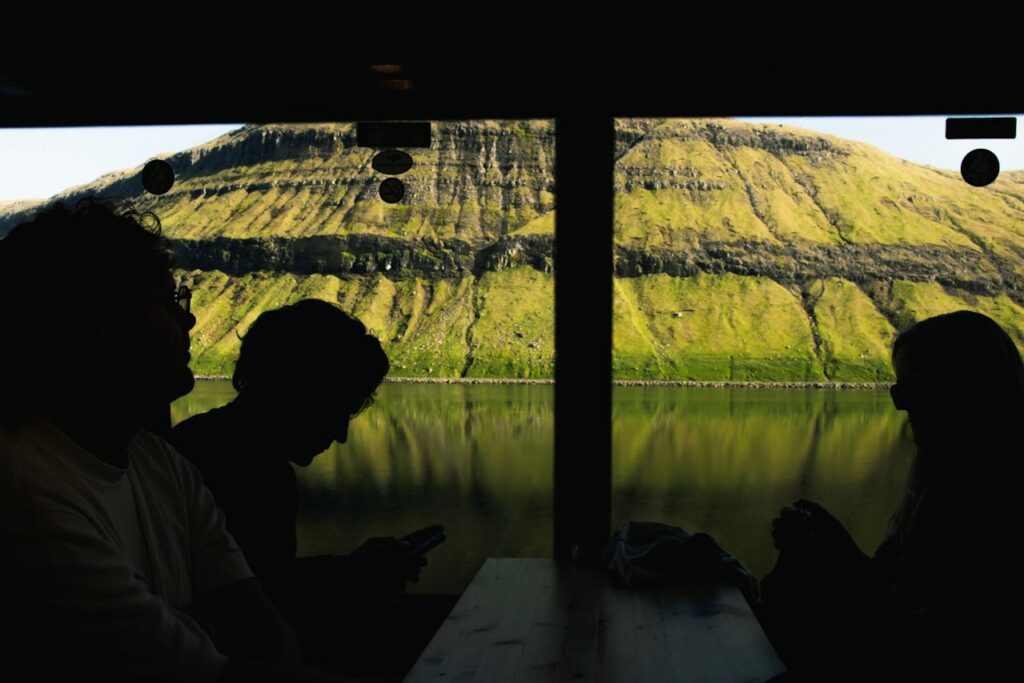
Nature is a wonderful thing, there’s been recent insights into how nature changes overall brain activity. Imagery has shown that exposure to natural scenes is associated with reductions in activity from the prefrontal cortex. This is an area of the brain linked to rumination which is a feature of anxiety and depression.
There are also studies to show that nature support attention and cognitive function. Looking at Attention Restoration Theory, the brain has several different functions: one being direct attention which requires effort and focus. The other element addressing effortless attention, this is a part of the brain that is engaged naturally by things like flowing water, trees, clouds and animals. Direct attention becomes fatigues over time, whilst effortless attention allows the brain to recover.
By spending time in nature this engages effortless attention, giving the brain a chance to rest and restore. By doing so studies have shown improvement in concentration, memory and problem-solving after spending time outdoors – benefits that are especially relevant in the culture of consistent door-scrolling.
Nature, Mood, and Emotional Well-Being
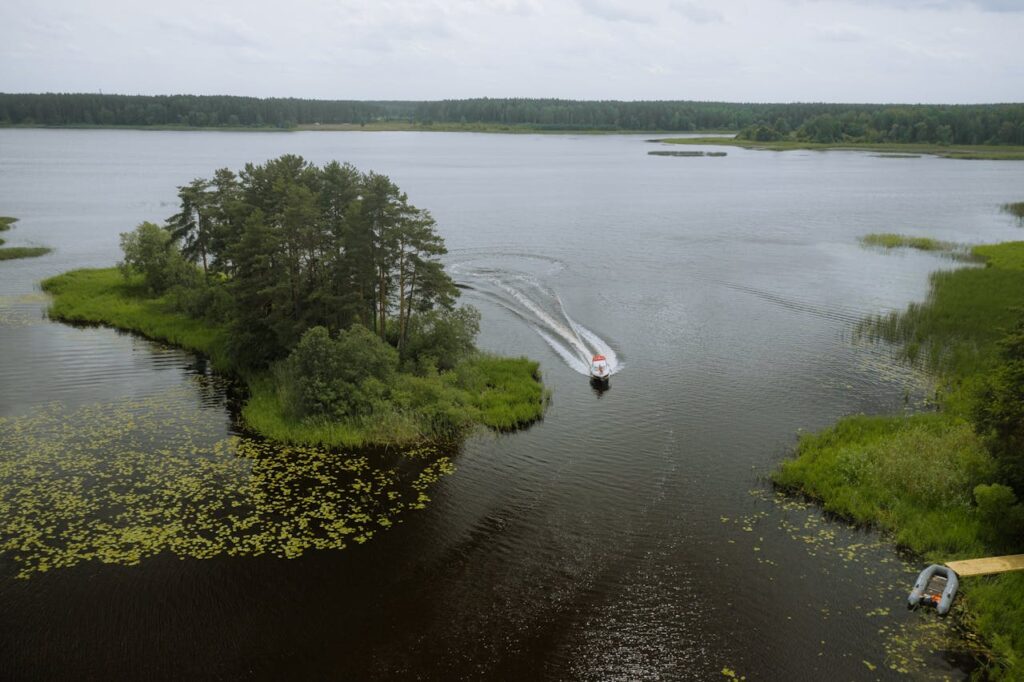
Beyond just being outside, the power of nature has a measurable impact on overall mood and feelings throughout our lives. Not only does being outside allow us to lower stress but being in green spaces report overall higher levels of happiness, life satisfaction and overall well-being.
Exposing yourself to nature is also linked to lower rates of depression and long-term anxiety. Studies suggest that people who live near green spaces experience fewer overall symptoms of mental-related problems over time. Whilst nature is not a replacement for therapy or medication, it appears to somehow act as a protective factor, a buffer against life’s emotional strain if you like.
One main reason nature helps to support emotions may be the effect it has on our parasympathetic nervous system this a part of our body which governs rest, emotional regulation and overall relaxation. By relaxing the system our heart rate slows, breathing deepens and we enter a state of support which calms the body.
The Role of Movement and Sunlight

By looking at the health benefits of being out and about in nature, we can also investigate how these benefits are amplified by movement and sunlight. Walking, running, hiking and jogging creates a powerful synergy for mental well-being. The simple act of exercise is known to release endorphins and support mood regulation, whilst sunlight helps to regulate circadian rhythms and produce vitamin D.
Both are linked to mental health with research showing a connection between low vitamin D levels and an increased risk of anxiety, depression especially in areas with limited sunlight. By being outdoors this can encourage a more natural rhythm, producing better sleep which, in turn, supports emotional resilience and cognitive function.
Nature and Social Connection

Another element of mental health that must be considered outside is the time spend with others. Being in nature often brings with it a social connection. Spaces often encourage shared experiences, walking with a friend, sitting or participating in activates generally increases dopamine naturally as well.
Social connection is a well-established protective factor for mental health. Nature provides a low-pressure environment for connection, where conversation can flow more naturally and silence feel less awkward. Even spending alone time foster a sense of connection, this sense of connection and belonging is increasingly recognised as important factor for psychological well-being.

It is still important to be clear on how nature is not a cure-all approach to mental health. Psychological conditions are complex and many people do still need professional support through therapy, medication or a combination of multiple approaches. Although, science does support nature as a valuable compliment to traditional mental health care as discussed by Psychotherapist Andrew Kemp.
Instead of seeing being and spending time in the great outdoors as another task, researchers have shown that approaching nature with openness and presence as being the best approach. These benefits and about balance, allowing the mind and body to return to a state of calmness.