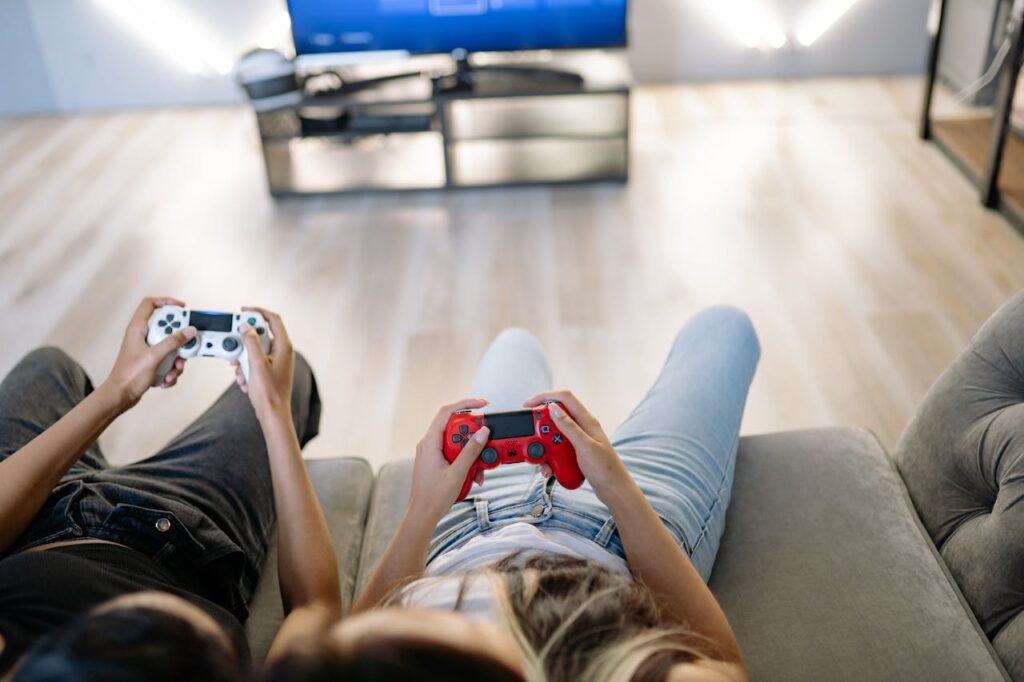
With more of us taking up gaming to relax after a long day, it is not wonder that there’s a rise in game production throughout the world. With a rise of new games being produced annually, it is no phenomenon that we all enjoy gaming one way or another, but does gaming make use happier in the long run?
We will be looking at aspects of psychology behind gaming and the social connections it makes, and the way it helps us manage stress. Going through the potential downside that can come with over-use.
The Psychology Behind Gaming and Our Happiness
At a primitive level games are made in a way which is trying to make us feel good using visual and sound design.
They do this by tapping into the brain’s reward system offering clear goals, instant feedback and a sense of overall progression.
As users go through a level completing it and unlocking achievements this releases a rush of dopamine through the brain, which is a chemical associated with pleasure a motivation in the body.
By gaming this gives players a sense of control and competence that they may not get in the real world, where many elements of may feel unpredictable or stressful.
By providing structured challenges this feeling of accomplishment even in a virtual environment can boost self-esteem and mood. However, this happiness if often short-lived.
While the act of gaming can lift our mood in the moment, doing so does not automatically translate into long-lasting well-being unless it is balanced with other fulfilling activities.
Social Connection Through Gaming
There is an increasing shift from gamers in the modern world, now more people associate gaming as being a social aspect.
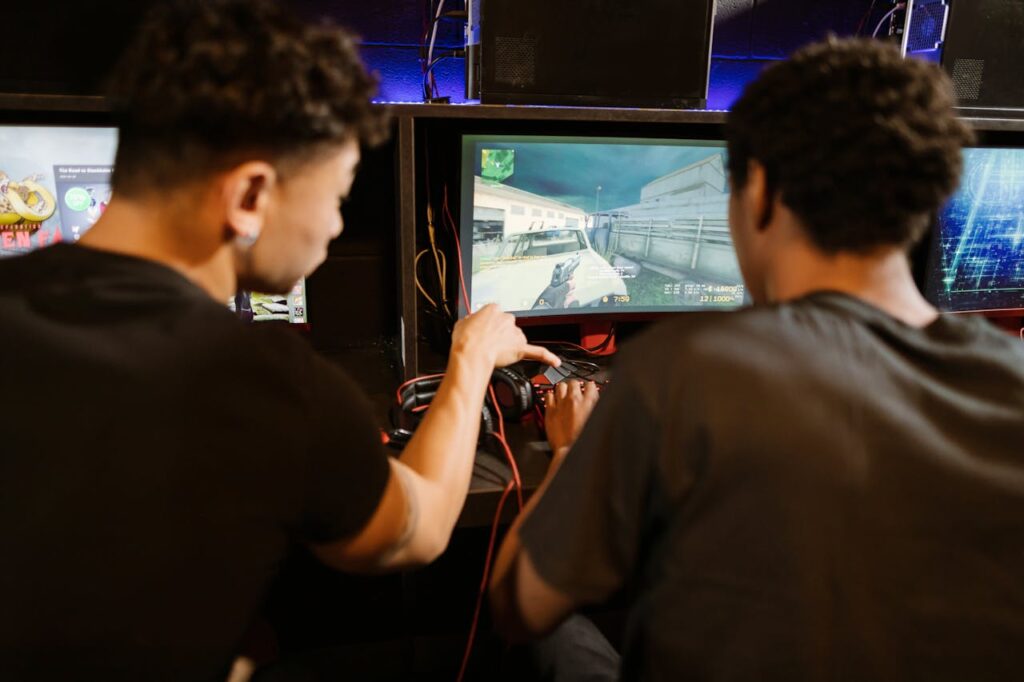
Team-based games help to encourage cooperation, trust and communication of shared experiences helping to create a sense of belonging.
Although online interactions can be a mixed bag, as toxic behaviour can also negatively affect mental health with the impact on happiness often depending on the type of game played and the people you play it with.
Stress Relief and Escapism
Research has shown that for many players the use of games is very powerful in revelling stress and anxiety.
By immersive yourself within a game level can offer temporary escape from real-world problems allowing the mind to reset, Casual gaming can be calming, while other genres such as action can provide a health outlet for frustration and stress.
This is a good form of escapism in moderation and has shown overall to reduce anxiety and improve overall mood.
By pairing mindfulness to gaming, they can fully engage attention in the present moment aiding in a reduction of overall stress.
Problems can arise when the act of gaming becomes a primary coping mechanism.
If gaming is used to avoid responsibilities or to cope with difficult emotions rather than process them, this may contribute to increased stress over time instead of reducing it.
Potential Downsides
Although gaming can be very fun, it is not without some drawbacks.
People who use gaming excessively can interfere with sleep, physical activity work and relationships.
Long hours spend sedentary in front of a screen can also impact physical health, which in turn can affect mental well-being.
There are also risk of people becoming dependant on gaming, as some players may feel a compulsion to keep playing games to maintain progress of to achieve a sense of social status within the game, leading to feelings of guilt or burnout.
This can shift from being a source of happiness to a problem within an individual’s life.
Does Gaming Make Us Happier?
There is never going to be a definitive answer when It comes to gaming, although the research has shown that gaming can contribute to happiness by creating happiness, social connections with others and ultimately stress release.
Although this all depends on how we engage with it in a productive way to balance it with real-world relationships, physical activity and personal goals. Games do not produce happiness on their own, but used in a constructive way they can be a meaningful piece of what helps to to feel good.